
In the Caribbean retail space, customer relationship management (CRM), while it might still be a buzzword, it's been my observation that some companies are leaning in and making it a real differentiator. While many think of CRM as just a set of tools, some forward-thinking retailers are turning it into a full-blown strategy. And there’s no better example than what is doing right here in Trinidad and Tobago.
Over the last few months, I’ve been studying how Massy Stores connects with customers (me being one of them) and what I’ve found is a powerful example of what a Caribbean retailer can achieve when CRM is applied strategically. From email marketing and mobile apps to WhatsApp and social media, Massy Stores has quietly built a communication strategy and ecosystem worth paying attention to.
The Problem: Traditional CRM Thinking (Model A)
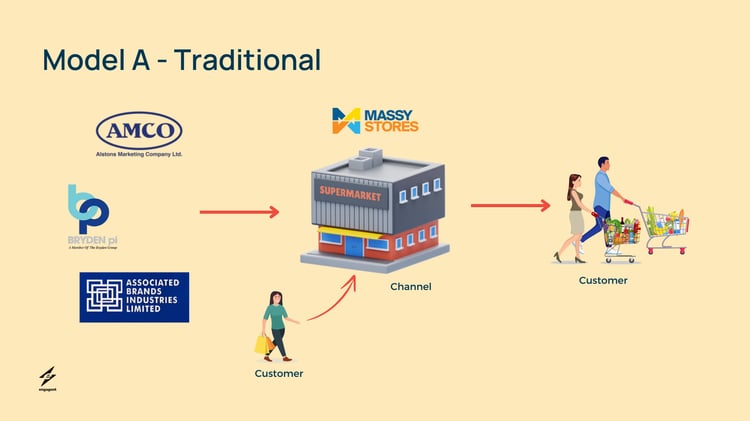
For years, distributors and retailers in the Caribbean have operated using what I call Model A — the traditional, channel-driven CRM model. In this model, the focus is on moving products through distribution channels, such as Massy Stores and other major, medium, and small chains, rather than building relationships with consumers.
The thinking goes like this: get your products on the supermarket shelf, run some in-store promotions, and hope customers pick them up. It’s the model we’ve always known, but it has a serious limitation.
Impact:
- There is no visibility into who your customers are or why they buy.
- Sales depend entirely on promotions and foot traffic.
- No data-driven insights to guide marketing or product decisions.
This is where the next evolution — Model B — comes in.
The Shift: Model B — Customer-Centric CRM Strategy
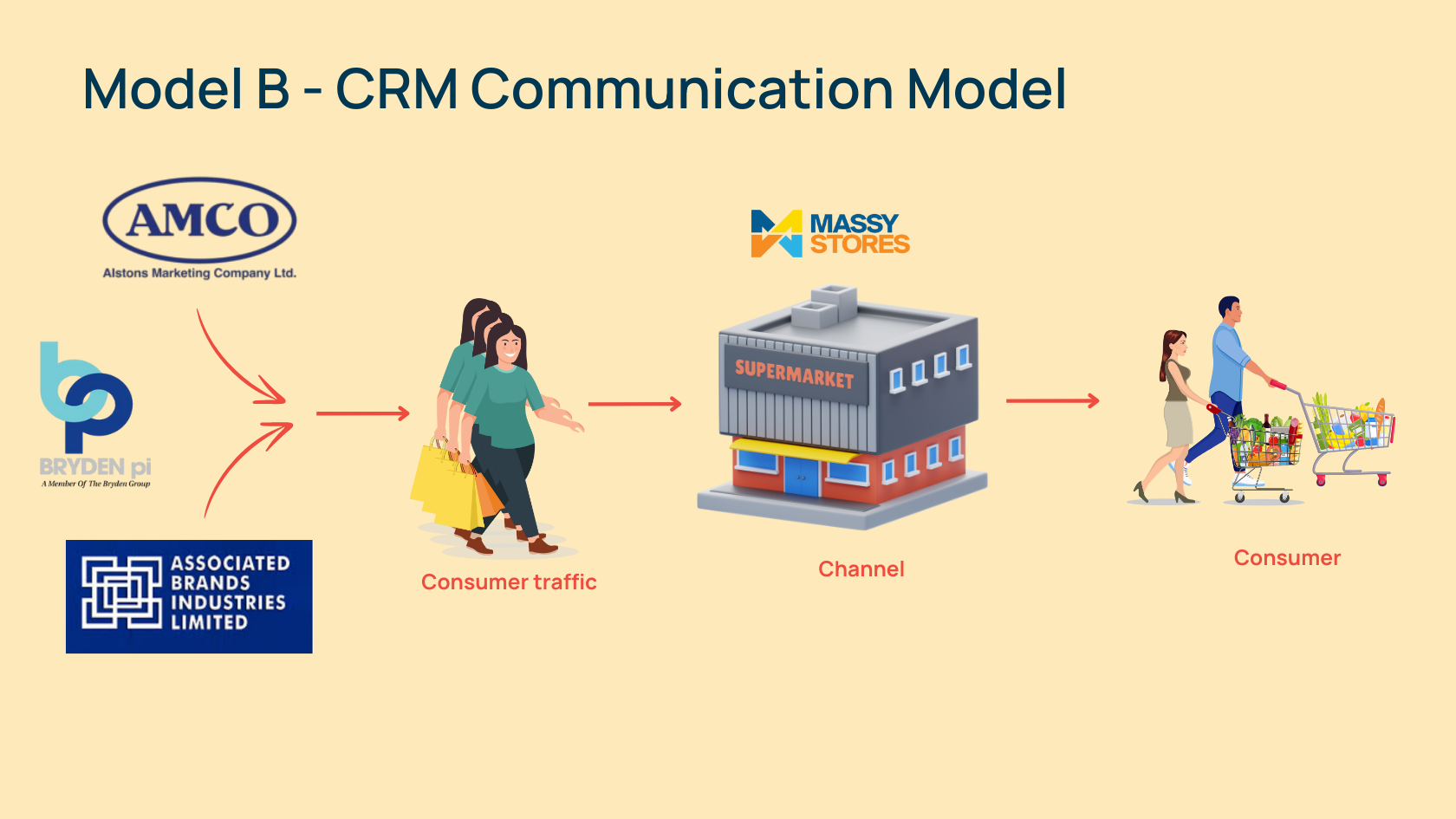
Model B flips the focus. Instead of making the channel the centre of your strategy, it puts the consumer at the heart of every decision. The goal is no longer just to push products; it’s to build engagement and loyalty by understanding behaviour and preferences.
With this model, CRM becomes a business framework, not just software. It drives how brands communicate, how they use data, and how they build long-term relationships that outlast a single promotion.
What Model B Enables:
- A direct line of communication between the brand and the customer.
- The ability to track engagement and measure performance across channels.
- Data-driven campaigns that build loyalty, not just sales.
Massy Stores: A Caribbean Example of Model B in Action
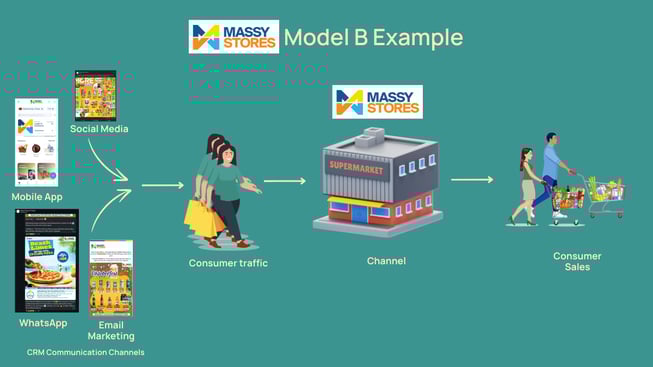
Massy Stores has quietly built a modern, multi-channel CRM strategy that embodies the principles of Model B.
- Their mobile app allows customers to sign in, collect points, and access deals — capturing valuable behavioural data in the process.
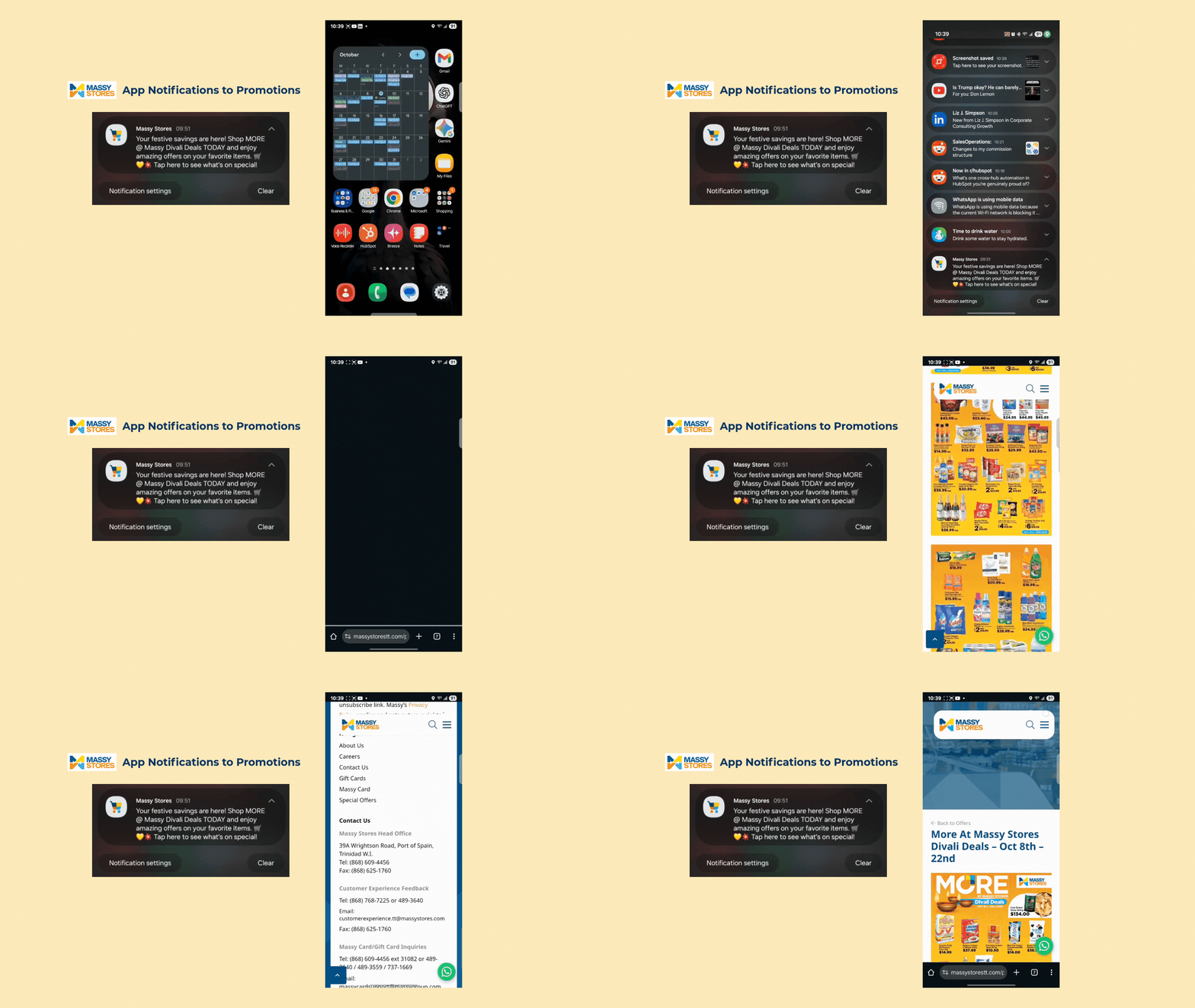
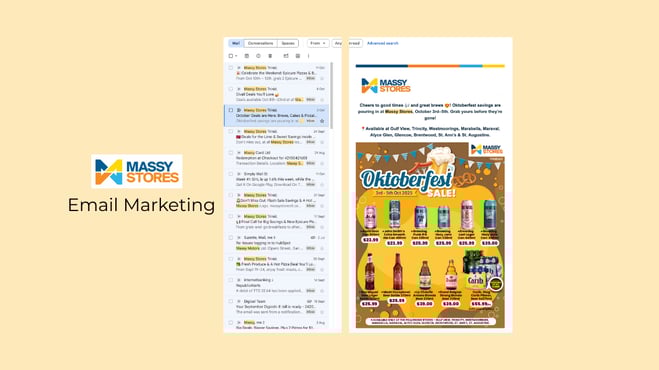
- Their email marketing runs consistently, with at least two emails a week promoting campaigns like Divali Deals or Oktoberfest events.
- Their WhatsApp Channel, which has more than 44,000 followers, mirrors this content, reaching customers who might not engage with emails.
- And their Facebook and Instagram pages amplify these same promotions, ensuring consistent communication across all platforms.
This is what a real Caribbean omnichannel CRM strategy looks like - where each platform serves a. different audience but delivers the same unified message.
Using WhatsApp Updates: From Awareness to Attribution
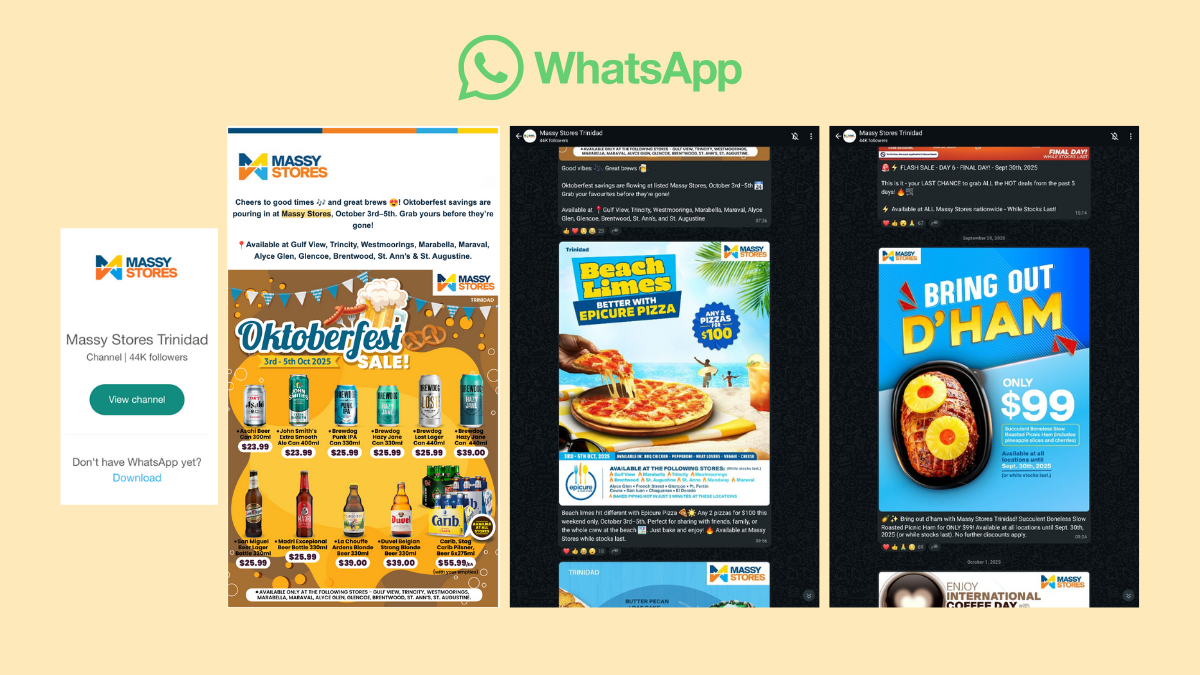
Massy Stores' use of WhatsApp Updates is smart. It recognises that not everyone checks emails, but most Caribbean consumers live inside WhatsApp.
The result?
Real-time engagement, which is extremely valuable when it comes to driving sales, shares and keeping consumers in the moment.
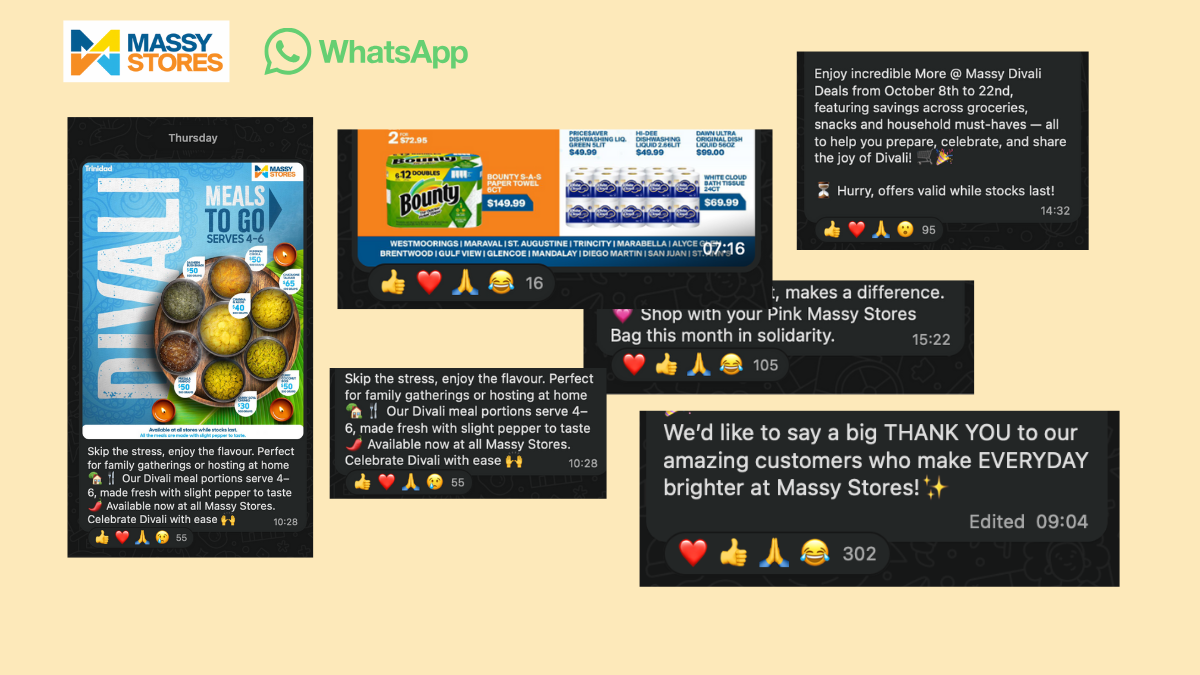
However, like many brands, there’s still an untapped opportunity here. While these updates build awareness, they don’t yet create measurable CRM data.
The Challenge:
- No tracked promo codes or QR links to tie engagement to sales.
- No conversion visibility between WhatsApp followers and actual shoppers.
- Limited opportunity for two-way engagement or automation.
The Opportunity:
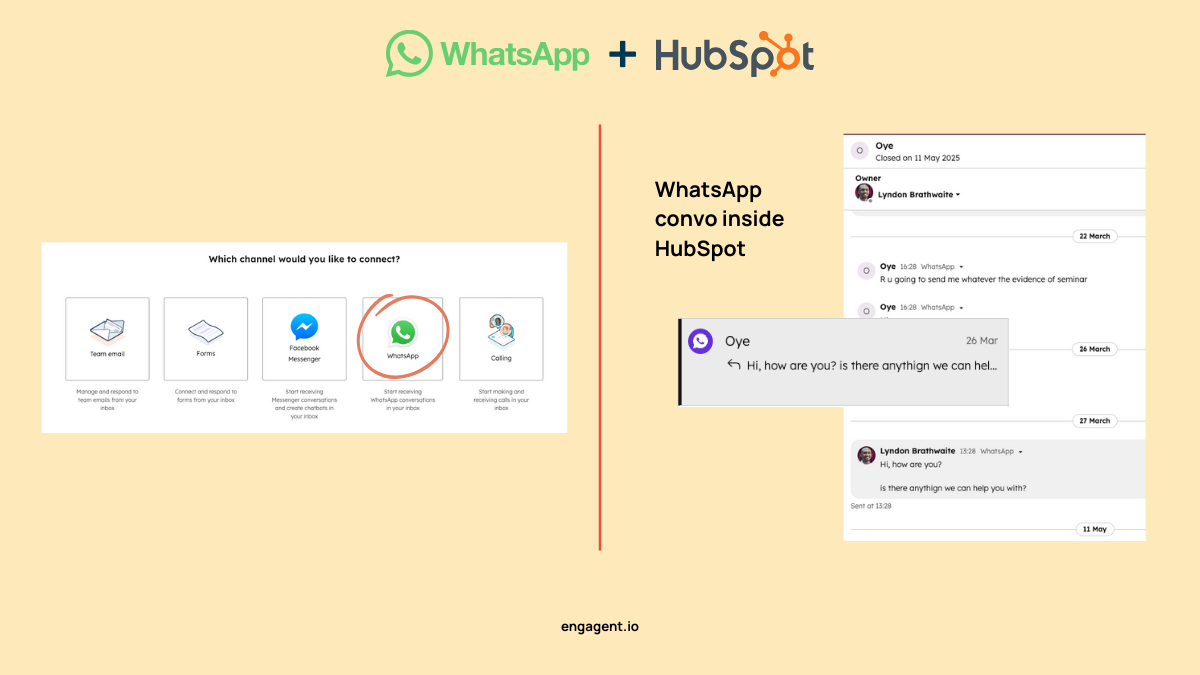
By integrating WhatsApp with a CRM like HubSpot Marketing Hub, retailers can:
- Embed trackable links and promo codes in updates.
- Automatically add engaged followers to contact lists or workflows.
- Trigger follow-up emails or in-app notifications based on interaction.
- Use AI and analytics to see which channel drives the most traffic.
That’s how you move from posting to measuring, turning awareness into attribution.
Using HubSpot CRM as the Unifying Engine
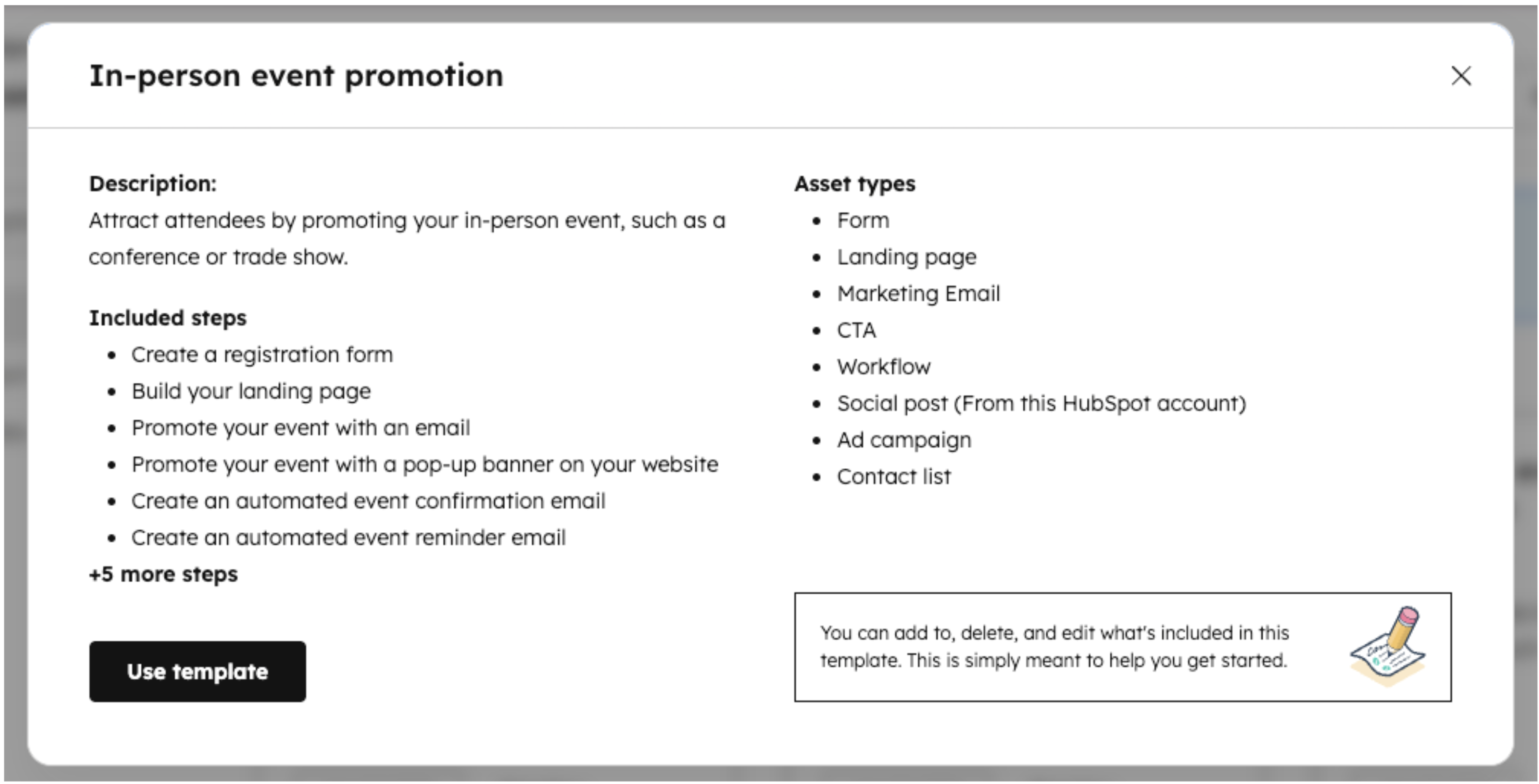
All of this works best when it’s connected — and that’s where technology comes in. Tools like HubSpot Marketing Hub bring everything together in one central place:
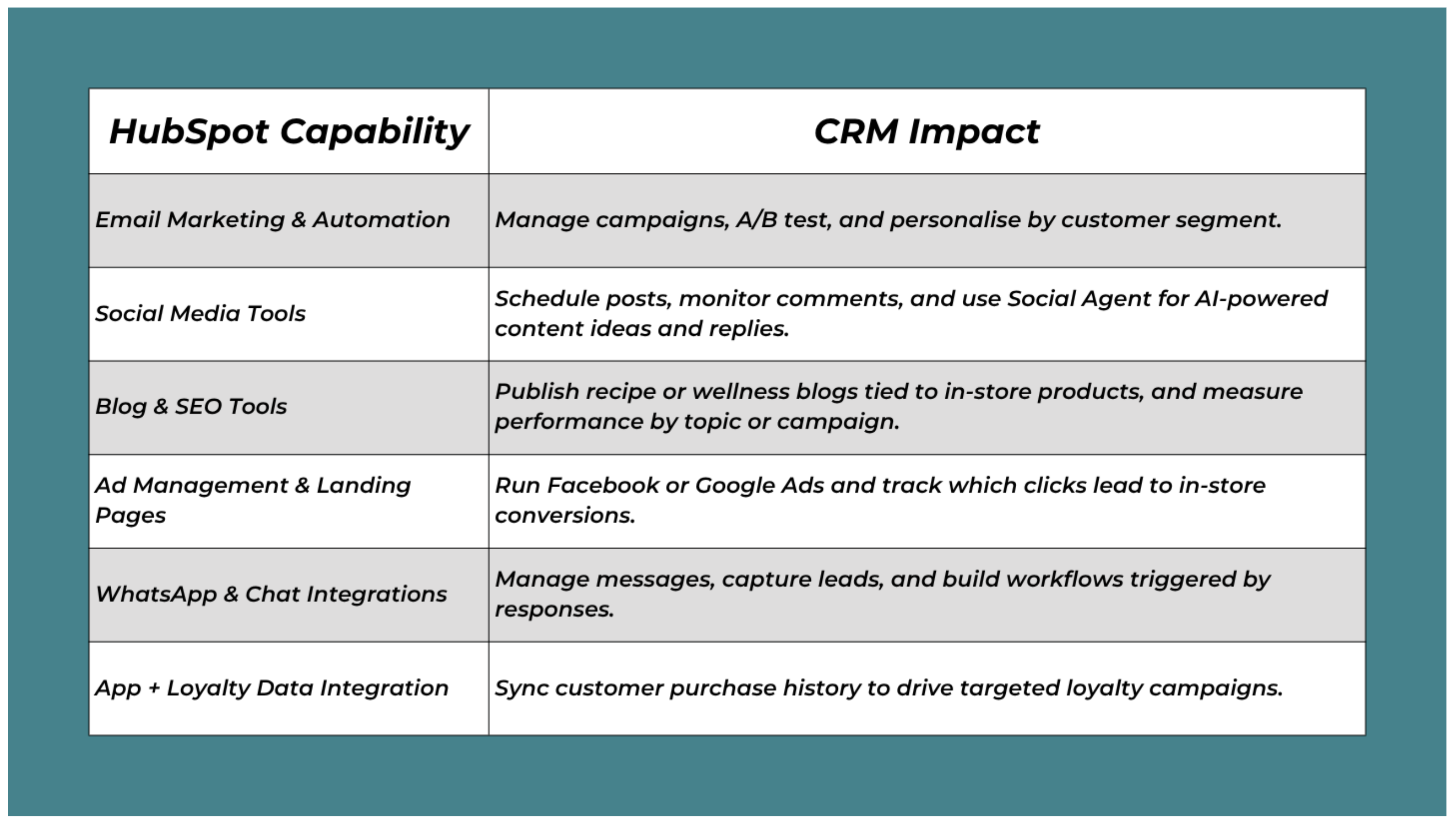
The result is a 360° customer view — every email open, WhatsApp click, social post, and loyalty redemption visible in one dashboard.
That’s CRM done right.
The result is a 360° customer view — every email open, WhatsApp click, social post, and loyalty redemption visible in one dashboard.
That’s CRM done right.
The Distributors’ Lesson: You Don’t Need to Own a Supermarket to Own the Relationship
Massy is doing an excellent job of building direct relationships with shoppers, but distributors can do this too.
Whether you’re supplying to Massy, Tru Valu, or another retail partner, you can still:
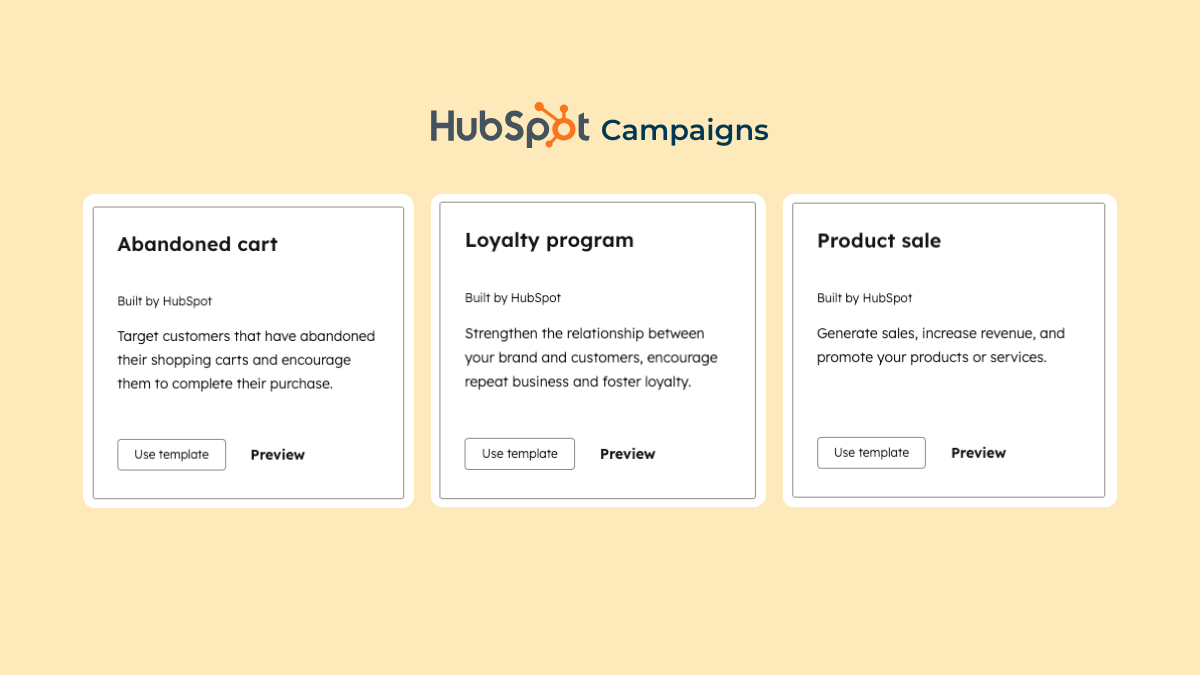
- Create your own CRM campaigns.
- Capture customer data through QR codes, landing pages, or WhatsApp workflows.
- Run loyalty or awareness campaigns that push traffic to retailers while building your own audience.
Owning customer data doesn’t mean replacing the retailer; it means complementing them.
The Next Frontier: Content Strategy and Value Creation
While promotions drive traffic, content drives connection. Massy (and others like them) can go even further by adding a layer of value-driven content to their CRM strategy — blogs, recipes, or health tips that educate and subtly promote related products.
Example:
A blog on “Easy Divali Desserts” could feature the ingredients available at Massy Stores, each linked to the product page or app.
This approach transforms marketing from selling to storytelling — a key ingredient in any sustainable CRM strategy.
Recommendations: How Massy Stores Can Take CRM Even Further
Massy Stores has built an impressive foundation, but there are still opportunities to deepen customer relationships and enhance the CRM ecosystem even more. Here are a few practical recommendations that could elevate their strategy:
1. Personalised Product Recommendations Through the App
Since Massy’s shoppers already use a loyalty ID or card when making purchases, the app can use that data to generate AI-driven product suggestions based on individual buying patterns. For example:
- A shopper who frequently buys gluten-free products could receive targeted suggestions for new health items.
- Someone who buys wine regularly could be notified about complementary cheese or snack promotions. This creates a dynamic “if you liked this, you may also like…” experience that builds convenience and loyalty.
2. Connect the Mobile App to a Central CRM
Integrating the app’s purchase and behavioural data directly into a platform like HubSpot CRM through an API would create a single customer view. That integration would enable:
- Automated follow-ups after purchases.
- Personalised loyalty offers based on customer segments.
- Real-time dashboards showing how in-store and online engagement influence one another.
3. Use CRM to Drive In-Store Experiences
HubSpot workflows can trigger in-store experiences — for example:
- Sending push notifications when a loyal customer is near a store.
- Offering bonus points on slower sales days.
- Using in-app surveys to collect customer satisfaction data after visits.
This merges digital engagement with physical retail — a powerful advantage for a supermarket brand.
4. Expand Loyalty into a Lifestyle
Massy Stores and distributors can evolve their loyalty programme from being purely transactional to becoming experience-based. Imagine earning bonus points for:
- Attending in-store cooking demos.
- Participating in social campaigns.
- Sharing recipes or reviews. Each action can feed back into the CRM, enriching the customer profile and creating new opportunities for engagement.
5. Introduce a Content + Commerce Hub
Using your Blog and HubSpot's Content Hub, Massy can launch content pillars (recipes, health & wellness, sustainability tips) directly linked to products. That means every piece of content has a measurable conversion path — from “read” to “shop.”
Conclusion: The Caribbean CRM Evolution
Massy Stores is showing us what’s possible. They’ve proven that a Caribbean retailer can run a connected, data-driven CRM ecosystem using multiple communication channels to build loyalty and drive engagement.
The next step is measurement, connecting those dots so that every click, share, or follow feeds back into one CRM source of truth. With tools like HubSpot Marketing Hub, businesses can do precisely that, centralising data, campaigns, and content while leveraging AI to plan, execute, and refine their strategies.
This isn’t about adding more tools; it’s about creating more connections. CRM isn’t just software; it’s the bridge between people, process, and technology.
And in the Caribbean, that bridge is already being built — one customer relationship at a time.
Hey 👋🏾, if you've made it this far and found this example useful, but you are not yet subscribed, then I’d love for you to join the Stay Engaged community by doing so now.